


Production
routes
routes
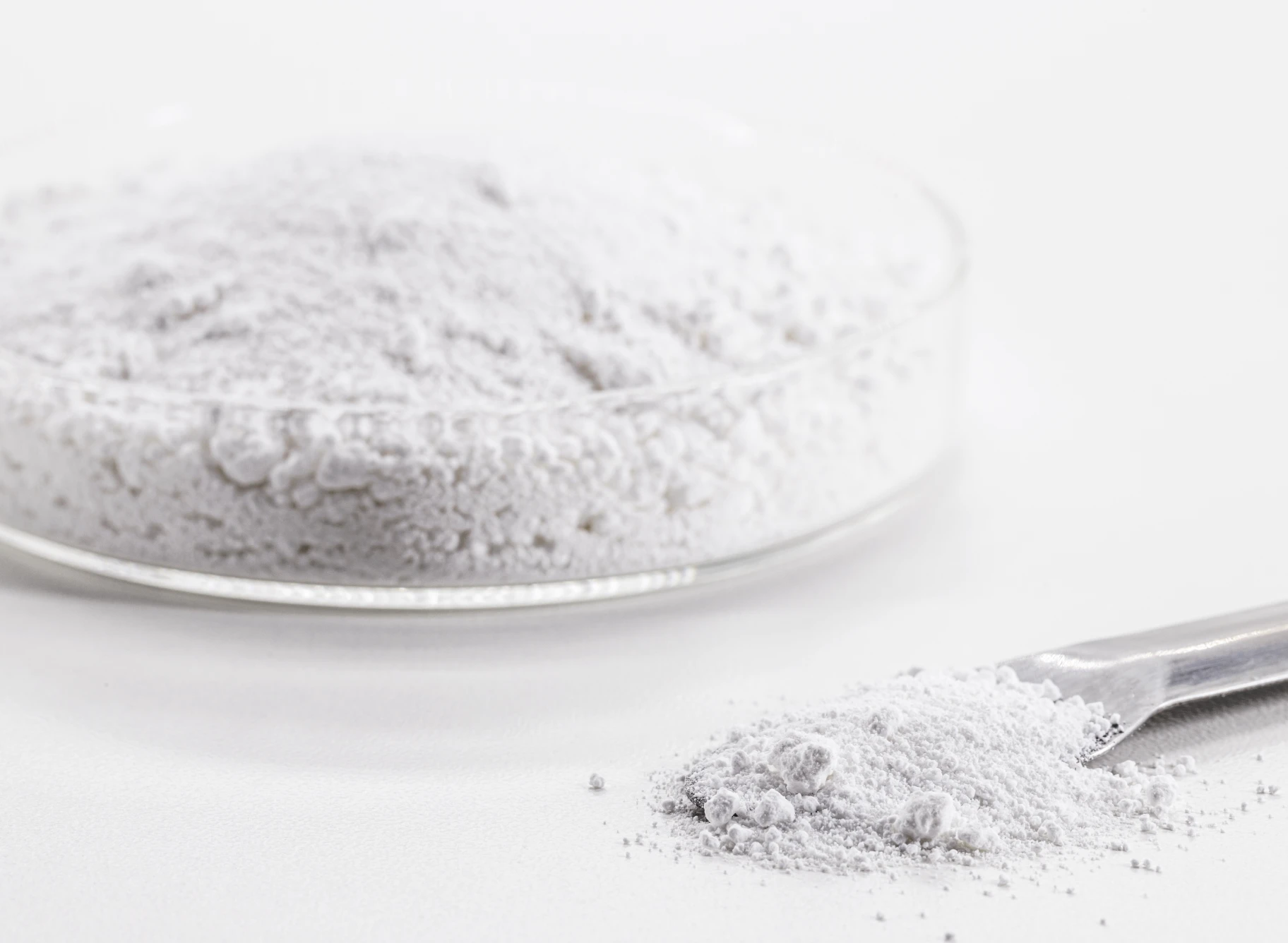
Derived from carbohydrate feedstocks via 5‑(hydroxymethyl) furfural, also known as 5-HMF, FDCA can be produced through liquid‑phase catalytic oxidation and other emerging routes such as electro-oxidation. As a building block for polymers, it enables strong oxygen–CO2 barrier properties, while supporting lightweighting and circular design without relying on fossil feedstocks.
Why FDCA is the future of plastics
Sustainability
Biomass FDCA is derived from renewable resources, making it a sustainable alternative to fossil fuel-based plastics.
Biodegradable
PEF, made from FDCA, is not only more sustainable but also more biodegradable compared to conventional plastics like PET.
Higher performance
FDCA-derived materials, such as PEF, offer superior mechanical properties, better barrier resistance, and improved thermal stability.

Synthesis
technology route
technology route

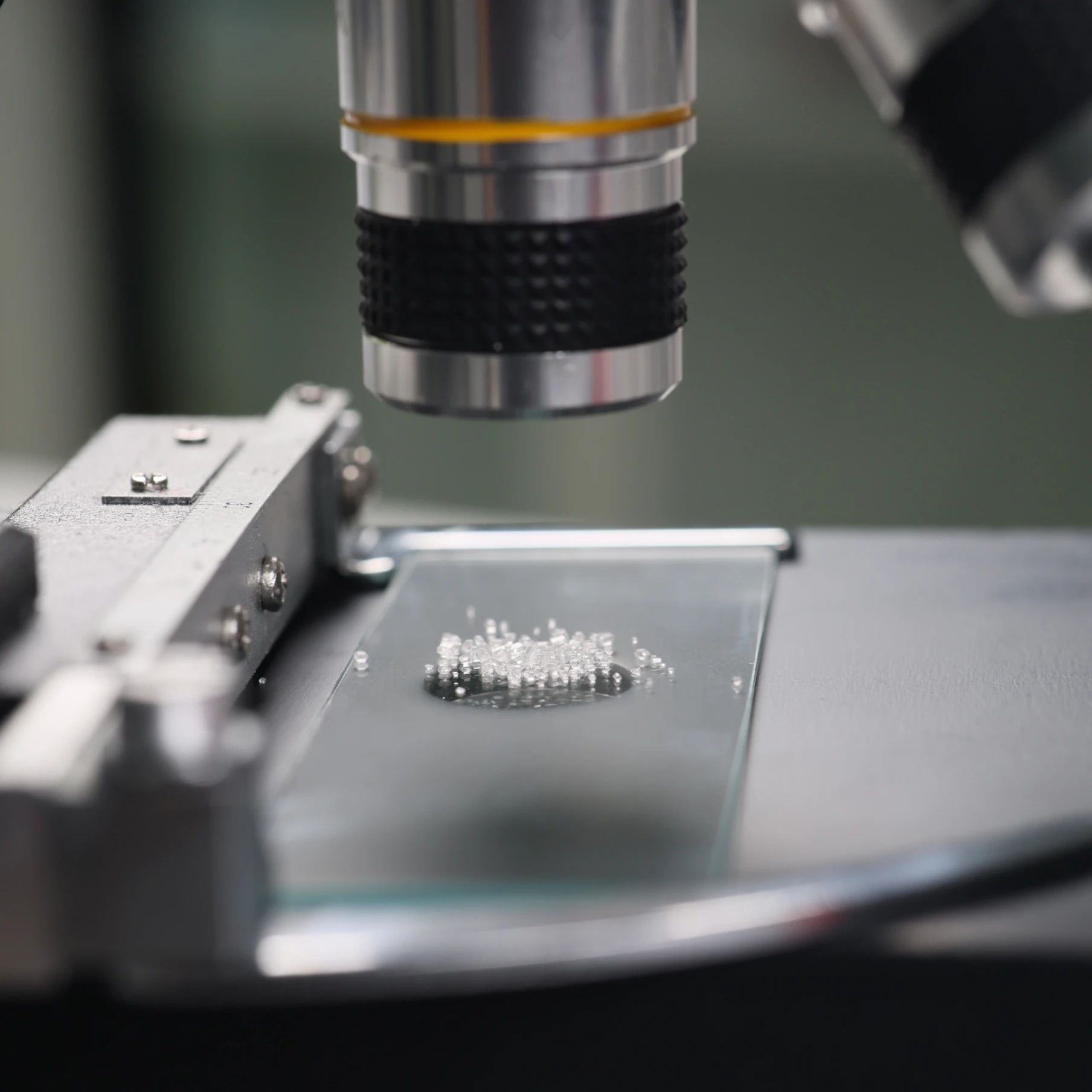
Our technology is currently at TRL 4
The technology is currently at TRL 4, meaning it has been validated in a laboratory environment. At this stage, the focus is on demonstrating the feasibility of the technology under controlled conditions, before progressing to pilot testing or industrial-scale implementation for applications such as packaging and commercial-grade fibres.
Other products
Glycolic acid
Glycolic acid (hydroxyacetic acid) has a high level of solubility and demonstrates good reactivity among the AHA (alpha hydroxycarboxylic acid) class. We are focusing on a catalyst technology for the safe, high-tech synthesis of glycolic acid.

Hydrogenation
of fats
of fats
Reducing trans fat consumption is a key issue on the global policy agenda. Our highly selective catalyst for hydrogenating vegetable oils minimizes trans isomer formation thanks to its high activity levels.